ESP32 IoT Course
From Sensors to Cloud Systems
This live practical ESP32 course helps students build real IoT systems for monitoring and control using Wi-Fi, MQTT, dashboards, telemetry, and remote device logic.
Level: intermediate. Format: live online practical sessions. Best after Engineering Fundamentals. Next cohort shared after application review.
Almikatro Engineering Learning Path
From foundations to real engineering systems.
Engineering Fundamentals
Build the programming and electronics foundations required for modern engineering systems.
IoT Engineering with ESP32
Connect embedded systems to cloud platforms for monitoring and control.
Embedded Systems Engineering (STM32)
Control sensors, actuators, and machines using real-time firmware.
PCB Design
Transform circuit ideas into manufacturable electronic products.
IoT Engineering Roadmap
The course is built around architecture-first IoT engineering, not hobby-level demos.
 Espressif ESP32
IoT Foundations
Industrial IoT architecture principles and engineering workflow.
ESP32 Networking
Embedded Wi-Fi systems and FreeRTOS multitasking with ESP32.
MQTT & Cloud
Reliable publish-subscribe networking, telemetry, and dashboards.
Final Project
Deploy a complete smart IoT monitoring and control system.
How Training Works
Practical, guided, and project-based learning.
Live Online Sessions
Interactive sessions with instructor.
Hands-On Practice
Build real systems step-by-step.
Real Components
Work with sensors and hardware.
Guided Projects
Complete practical applications.
Support & Q&A
Ask questions during sessions.
Progressive Learning
Follow a structured learning path.
You Will Build Real Things
Students build practical connected systems used in agriculture, industry, laboratories, and smart devices.
Monitoring Node
Build a sensor-based ESP32 node for real-time data collection.
Cloud Dashboard
Visualize telemetry in ThingsBoard or Node-RED dashboards.
Smart Agriculture Project
Create a complete IoT system for monitoring and remote control.
See the Kind of IoT Work Students Move Toward
This section now focuses on two stronger ESP32 examples: a live dashboard and a real mobile robot demo where the ESP32 handles the communication between the mobile app and the robot.
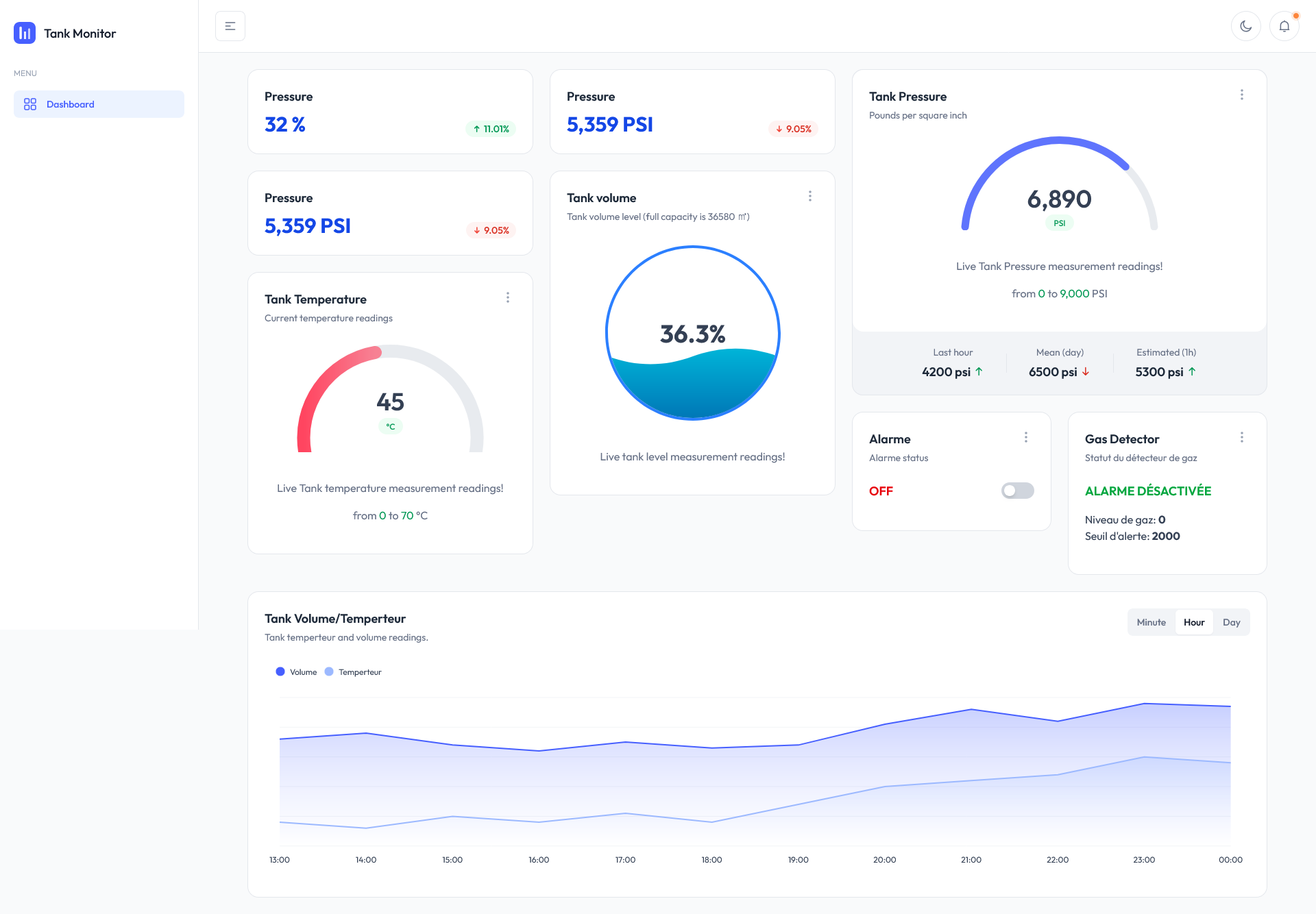
Telemetry Dashboard
An ESP32 system can stream sensor values into a dashboard where students learn how live data becomes useful operational visibility.
Control From Mobile App
This demo shows the communication flow between the mobile app and the robot, with the ESP32 acting as the wireless bridge that receives commands and drives the system in real time.
Real Brands Shipping Connected ESP32 Products
These examples are based on official Espressif customer stories and show how ESP32-class IoT work creates real value in smart homes, security, and connected products.
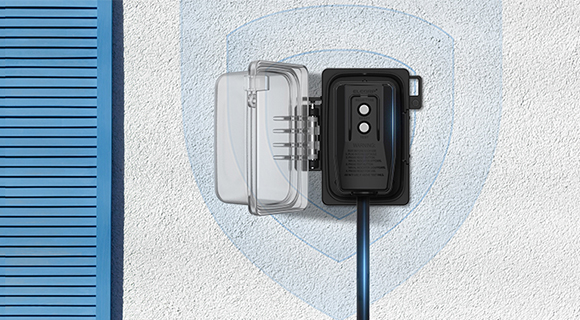
ESP-based smart home products can scale across global markets when the platform is strong
Espressif’s ELEGRP story shows a company building connected switches, dimmers, and outdoor outlets for more than 40 countries. The result students should notice is not only connectivity, but faster product rollout, stronger interoperability, and better stability through real-time monitoring.
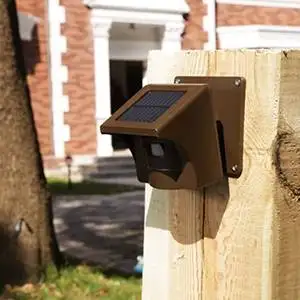
Connected security products become much more valuable when the company owns the full IoT experience
HoSmart moved away from third-party SaaS limits and used Espressif’s platform for a next-generation security system. That is a powerful example for students: ESP32 and IoT are not just about sending data, they can become the core of a smarter, faster-moving product business.
What To Expect Before You Join
A quick overview of the current IoT Engineering format, commitment, and course level.
Next Cohort
Applications are open now. The next live start date is shared after review of each application.
Format
Live online sessions with guided practice and engineering-focused explanations.
Duration
6 to 8 weeks of training with approximately 30 total hours.
Focus
Connected systems, MQTT, dashboards, remote monitoring, and control logic.
For Students Ready To Build Connected Systems
This track fits learners who already understand the basics and want to move into real IoT system design with ESP32, networking, and cloud integration.
Basic Foundations Recommended
Students should be comfortable with basic programming logic and electronics concepts. Engineering Fundamentals is the recommended preparation path.
Recommended Next Step After ESP32
After ESP32, many students move into STM32 for deeper embedded systems work or PCB Design to turn prototypes into production-ready hardware.
Recommended Progression
STM32 Embedded Systems to go deeper into firmware structure, peripherals, and debugging.
PCB Design to transform IoT and embedded ideas into manufacturable boards.
Engineering Fundamentals is still the best first stop if you need a stronger base before starting.
Questions Students Usually Ask
The most common things students want to know before joining the ESP32 IoT track.
Is this course for complete beginners?
Not usually. This course works best for students who already understand the basics of programming and electronics, or who completed Engineering Fundamentals first.
Will we build real cloud-connected systems?
Yes. The course focuses on practical IoT architecture, telemetry, dashboards, MQTT communication, and remote system control.
What can I study after this?
Students often continue into STM32 for deeper embedded systems work or PCB Design to move from prototype logic to production-ready hardware.
IoT Engineering Instructor
Focused on architecture-first IoT engineering, reliable communication, cloud integration, and deployment-ready connected systems.
IoT Engineering with ESP32
Standard track: 15000 DA · installments available for standard track
6-8 weeks · 30 hours · engineering-oriented
IoT Engineering with ESP32
Share your details and learning goals. Our team will contact you with the next available group, pricing details, and the steps to confirm your seat.