Arduino & Engineering Fundamentals
Start Here
This beginner-friendly foundation track helps students in Algeria start correctly in embedded systems. Learn programming logic, electronics basics, Arduino, sensors, and actuators through live practical sessions that lead to a smart monitoring project.
Level: beginner. Format: live online practical sessions. Next cohort shared after application. Seats are kept limited so students can get direct support.
The Foundation That Makes the Next Courses Easier
Many students try to jump directly into advanced embedded topics and feel lost. This course starts with Arduino, sensors, electronics basics, and simple system building so students can understand how intelligent systems actually work before moving further.
Almikatro Engineering Learning Path
From foundations to real engineering systems.
Engineering Fundamentals
Build the programming and electronics foundations required for modern engineering systems.
IoT Engineering with ESP32
Connect embedded systems to cloud platforms for monitoring and control.
Embedded Systems Engineering (STM32)
Control sensors, actuators, and machines using real-time firmware.
PCB Design
Transform circuit ideas into manufacturable electronic products.
A Structured Start, Session by Session
The course is delivered across 4 weeks and 8 practical sessions. This roadmap shows the progression from system understanding to a final Arduino-based Smart Monitoring System prototype.
Systems and Electricity
Understand engineering systems, sensors, actuators, and the core electrical ideas behind simple circuits.
Arduino Foundations
Set up the development environment, understand program structure, and build your first Arduino interactions.
Inputs, Sensors, and Control
Work with buttons, analog and digital signals, and sensor reading to measure real-world data.
Integration and Final Prototype
Combine sensors and actuators into a Smart Monitoring System prototype with debugging and system integration.
Engineering Fundamentals Curriculum
The course introduces intelligent systems through Arduino, basic electricity, sensors, actuators, and system integration, with practice in each session.
 Arduino Platform
Intelligent Systems Basics
Understand how sensors, microcontrollers, and actuators interact inside real-world engineering systems.
Basic Electricity
Learn voltage, current, resistance, power, and build simple LED circuits with confidence.
Arduino Foundations
Set up Arduino IDE, understand program structure, and build first programmable hardware examples.
Digital Inputs and Sensors
Work with buttons, analog vs digital signals, and read light or temperature data from real sensors.
Actuators and Control
Control servo motors or relays and understand how electronics can trigger real actions.
System Integration
Combine sensors and actuators into a practical monitoring prototype with debugging and testing.
What Students Work With During the Course
The training is designed around real components so students can connect concepts to physical systems from the beginning and finish with a practical monitoring prototype.
Core Platform
Arduino UNO or compatible board, breadboard, jumper wires, and USB connection.
Electronics and Sensors
LEDs, resistors, buttons, potentiometer, DHT11 temperature sensor, and LDR light sensor.
Actuators and Tools
Servo motor, relay module, Arduino IDE, Serial Monitor, and optional multimeter for testing.
Real Companies Starting with Arduino-Based Systems
These official Arduino case studies help students see why the fundamentals matter: once the basics are strong, simple boards can solve real monitoring and safety problems in the field.

Arduino-based monitoring can reduce faults, save energy, and keep facilities running better
Arduino highlights how Santagostino monitored HVAC systems across 35 locations, using Arduino-based devices to detect malfunctioning units and support predictive maintenance. For students, this is a strong reminder that reading data and reacting correctly can create direct operational value.
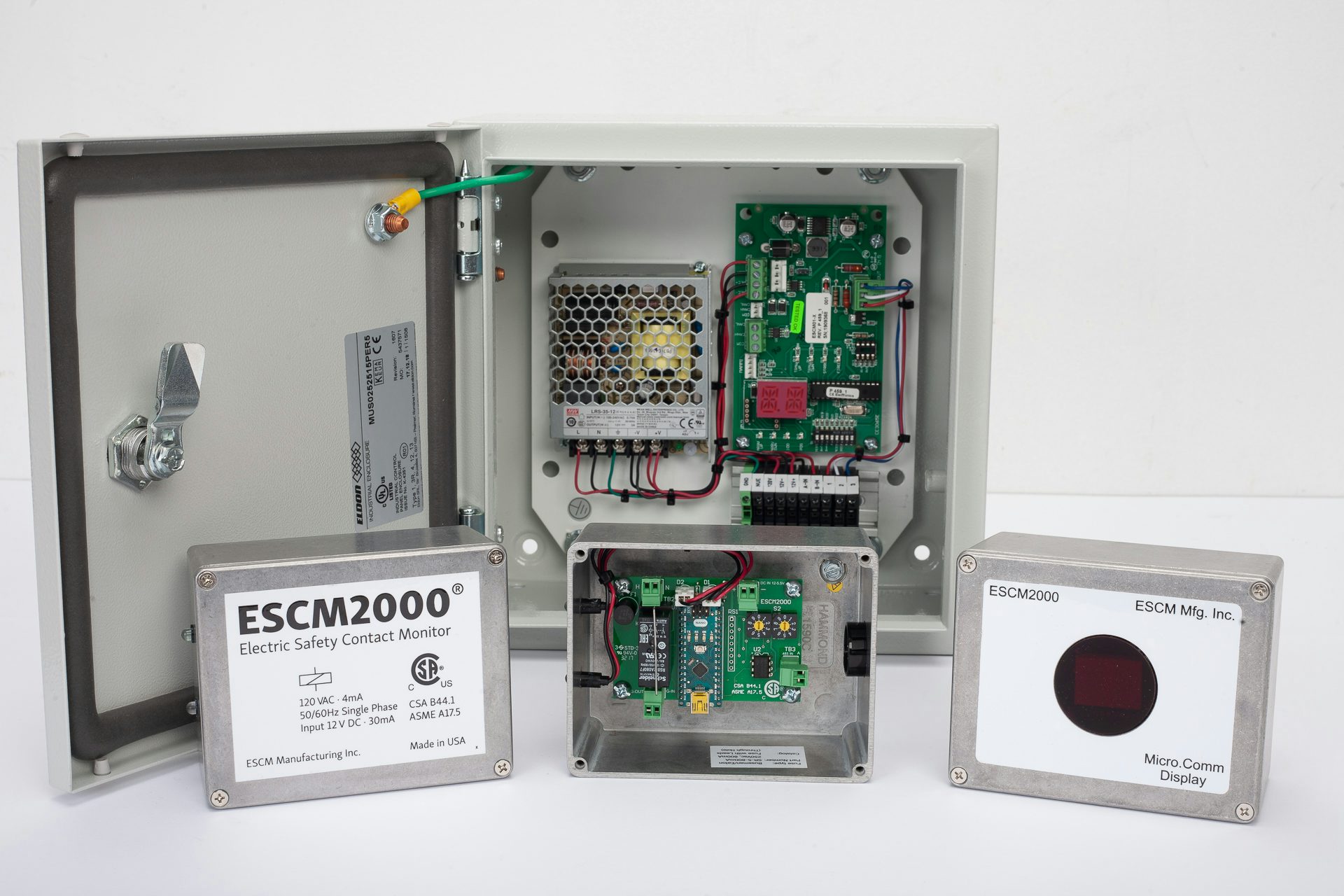
Even simple Arduino hardware can support safety-critical monitoring when the logic is clear
Arduino’s ESCM Manufacturing story shows the Arduino Nano used in an elevator safety monitoring system that helps technicians identify faults without unsafe workarounds. That is exactly why beginners should respect the fundamentals: the basics of inputs, outputs, and status logic can support serious real-world systems.
How Training Works
Practical, guided, and project-based learning.
Live Online Sessions
Interactive sessions with instructor.
Hands-On Practice
Build real systems step-by-step.
Real Components
Work with sensors and hardware.
Guided Projects
Complete practical applications.
Support & Q&A
Ask questions during sessions.
Progressive Learning
Follow a structured learning path.
Built for More Than One Engineering Background
This course is designed for students from different fields who want to understand intelligent systems through practical examples, not heavy theory alone.
Agriculture Engineering
Learn the foundations behind smart irrigation, soil monitoring, environmental sensing, and basic automation logic.
Biotechnology and Labs
Understand how monitoring systems collect environmental data, trigger alerts, and support better control in lab or biotech contexts.
Mechanical and Mechatronics
Build intuition for how electronics, actuators, and control signals interact inside practical engineered systems.
Robotics and Automation
Start with the sensors, inputs, outputs, and Arduino logic that make larger robotic and automation systems easier to understand later.
Build a Smart Monitoring System Prototype
Students do not finish this course with only theory. The final stage brings the main ideas together into a practical Arduino-based monitoring system that reads data, applies logic, and triggers an action or alert.
How the Project Comes Together
Connect a sensor such as temperature, light, or moisture to collect real-world data.
Read the values inside Arduino and understand how the system interprets inputs.
Apply a simple condition or threshold to decide when an action should happen.
Trigger an output such as an alert, relay action, servo movement, or automatic response.
Present a practical result like smart plant monitoring, a temperature alarm, or an automatic lighting system.
What To Expect Before You Join
A simple snapshot of the current Engineering Fundamentals format so students can decide quickly if this is the right starting point.
Next Cohort
Applications are open now. The next live start date is shared after review of each application.
Format
Live online sessions with direct instructor guidance and time for questions.
Duration
4 weeks of guided learning, for a total of 16 hours.
Seat Priority
Small-group delivery helps keep the course practical, interactive, and easier for beginners to follow.
Built For New Engineering Learners
This course is for students and beginners from different engineering backgrounds who want to understand how intelligent systems work before moving into more advanced embedded or hardware topics.
No Previous Experience Required
You do not need prior programming or electronics knowledge. A laptop, curiosity, and willingness to practice are enough to begin.
You Can Start Here Even If You Feel Behind
This course is meant to remove hesitation, not create more of it. If you have felt lost in programming, electronics, or engineering topics before, this is the place to build the missing base in a clear order through Arduino-based practical work.
- No previous coding experience is required.
- No prior electronics background is required.
- You do not need hardware before applying.
- The course is built for students and first-time learners.
- It prepares you for ESP32, STM32, and PCB Design.
- You get a clear next step instead of random tutorials.
Recommended Next Step After Fundamentals
After this course, most students continue into ESP32 for connected systems or STM32 for deeper embedded work. PCB Design becomes easier once the basics are clear.
Recommended Progression
ESP32 IoT for monitoring, telemetry, dashboards, and connected systems.
STM32 Embedded Systems for real-time firmware and hardware-aware development.
PCB Design to turn circuit ideas into manufacturable hardware.
Questions Students Usually Ask
Clear answers to the most common questions before joining the Engineering Fundamentals track.
Is this course good for complete beginners?
Yes. It is designed as the starting point for students who are new to programming logic, electronics basics, and engineering systems thinking.
Do I need hardware before I start?
No special hardware is required to apply. The course is structured to build understanding first, then prepare you for more advanced practical tracks.
What comes after this course?
Most students use this course as preparation for ESP32, STM32, and PCB Design, depending on the path they want to follow next.
Djenane Kheira
Automation and Environmental Engineering mentor with a BTS in Automation and Regulation and additional studies in Chemical Engineering with a focus on Environmental Engineering.
She has hands-on industry experience and mentors at the American Corner Oran in collaboration with World Learning, where she leads STEAM-based activities. Her teaching style is practical, beginner-friendly, and well suited to introducing Arduino and intelligent systems.
Engineering Fundamentals
Standard track · student track: 6000 DA · no installments
4 weeks · 16 hours · beginner level
Live online practical sessions for students who want to start correctly before ESP32, STM32, and PCB Design.
Engineering Fundamentals
Share your details and learning goals. Our team will contact you with the next available group, pricing details, and the steps to confirm your seat.